
Some time ago I wrote an article on why we weren't using WEBP images. Since I wrote that article, they are certainly being used much more often but JPEG and PNG still seem to dominate the world of websites.
Since then, AVIF images have become much better supported. According to caniuse.com, AVIF images are supported by 94% of users (as at May 2026). It is mainly people hanging onto browsers developed earlier than 2024 who miss out so this percentage is likely to continue increasing. AVIF images, in the majority of cases, outperform JPEG and WEBP for photographs offering much smaller file sizes with no noticable loss in quality. This is a gift to web designers so surely their use must be becoming ubiquitous?
This is not the case. There are good reasons for this and some not-so-good reasons for this.
In my experience, all photographs, especially large photos, look just as good using AVIF at much smaller file sizes, often reduced by more than 50%. AVIF is supposedly good at replacing PNG lossless images for graphical images but in my experience this is often not the case. A PNG image compressed using an efficient image compressor such as Squoosh often has a much smaller file size than AVIF. So I still use PNG a lot of the time.
Although 94% is a high percentage, that still leaves us with 6% of users who will not see the images which is still a significant number. However, by using the HTML picture tag, it is easy to provide back-up images in WEBP and/or JPEG format. So this is not a reasonable excuse.
Modern communications have superfast connections to the Internet so image size becomes less important. However, it can still make a difference if you keep image sizes smaller as it all contributes to the user experience by reducing page load times. Google agrees with this as they place a lot of importance on image compression when assessing the quality of a web page.
Below, there are three images in AVIF, WEBP and JPEG format respectively.

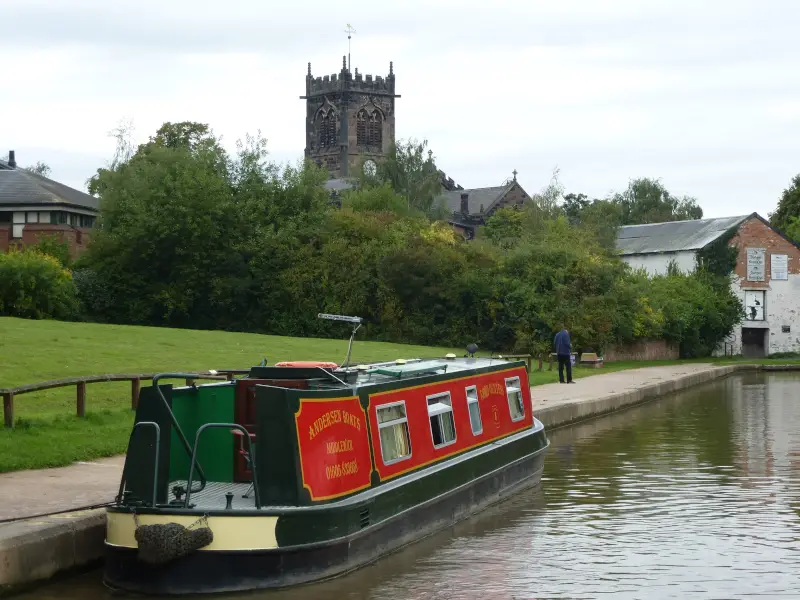
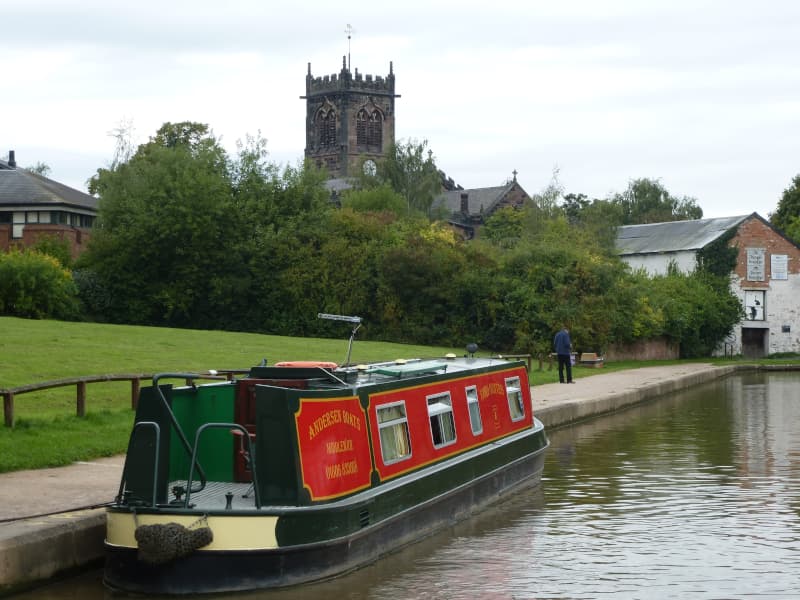
As you can see, there is little or no difference between the three images. The JPEG is 58kb, the WEBP is 51kb and the AVIF is 35kb. If you have an image-heavy web page you could be speeding up the user's experience with no loss in quality.
In conclusion, I think AVIF images should be used a lot more than we do. Helping reduce download times, no matter how small, can make a difference to user experience and result positions in the search engines. It isn't always appropriate though. I find my use for JPEG has greatly reduced, but the mighty PNG image is still very useful for clean-edged graphical images.
I pay a lot of attention to image compression as part of the web design service I offer. Contact me today if you think I might be of help to you.